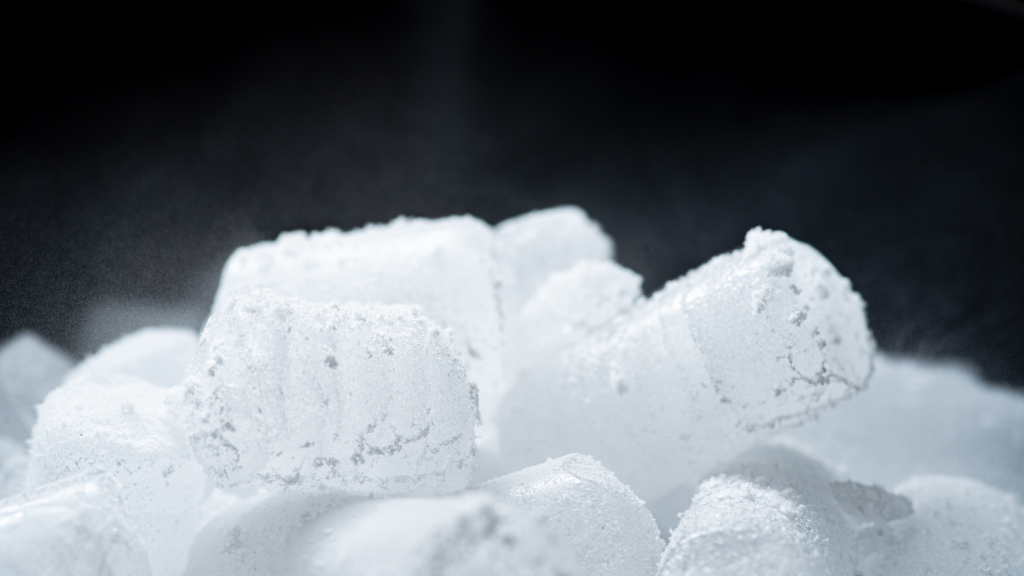
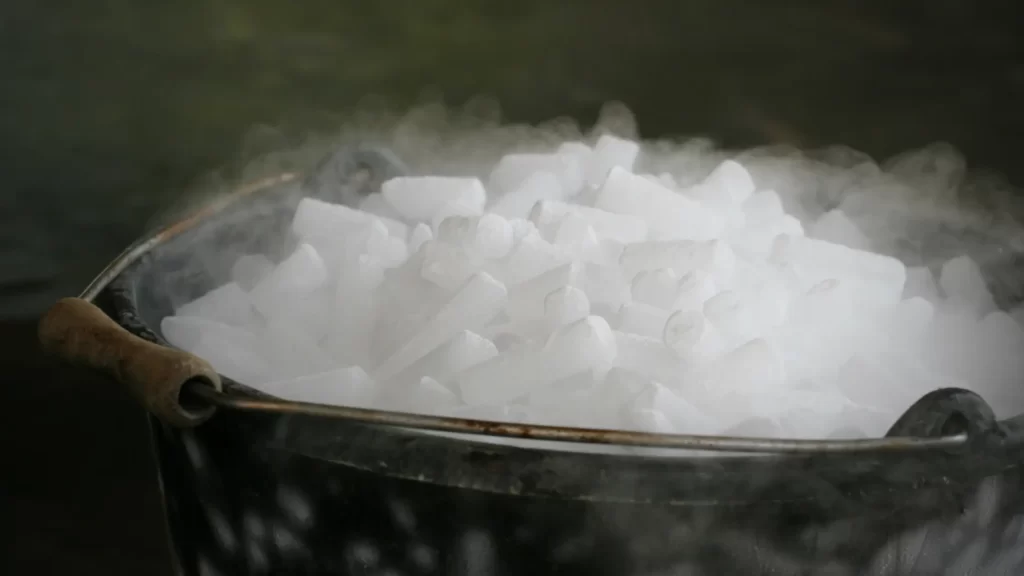
Dry ice has been used for over a century, but its popularity has surged in recent years. While it's commonly known for traditional cooling, its uses go far beyond that. From creating a captivating dining experience in restaurants to adding dramatic effects to events, theater productions, and even classroom experiments, dry ice brings a touch of magic to any setting!
What is it?
Dry ice is the solid form of carbon dioxide (CO₂). With an extremely low temperature of -78.5°C, it transitions directly from a solid to a gas without becoming a liquid, a process known as sublimation. This unique property makes it "dry" ice, as it leaves no residue behind.
Colorless, tasteless, and odourless, dry ice is also bacteriostatic and produced using non-toxic, food-grade CO₂. While it is completely safe and non-toxic, its extremely cold surface requires careful handling—always use gloves to prevent frostbite.
What do you use it for?
Traditionally, dry ice was seen as having a limited purpose, but today, it is widely used across various industries. Not only can it be a cost-effective alternative to conventional cooling methods, but with slight adjustments to processes, it may even offer everyday savings.
From preserving and transporting temperature-sensitive items like food and medical supplies to creating mesmerizing smoke effects that add a "wow" factor to events, theater, and entertainment—dry ice offers endless possibilities!