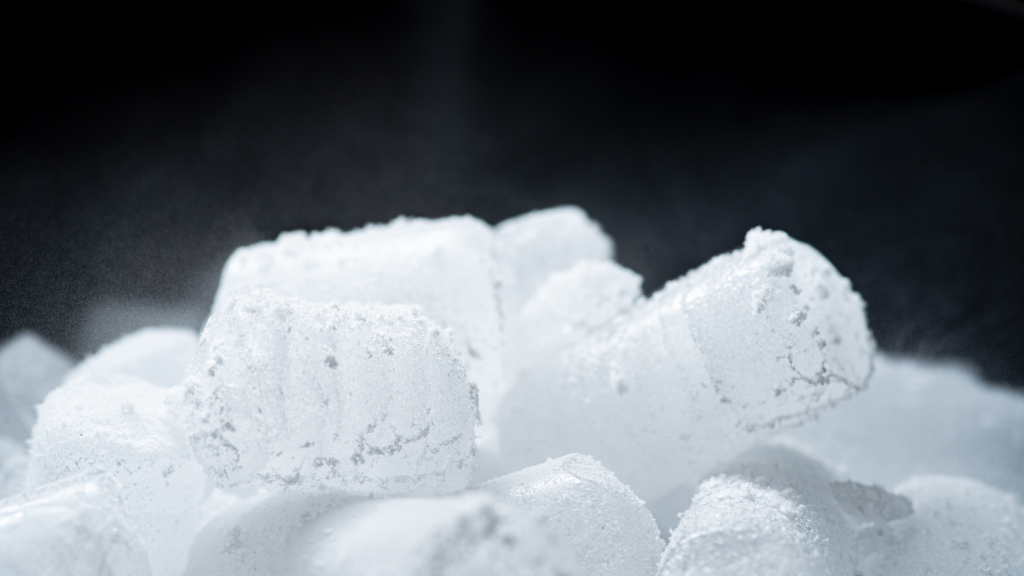
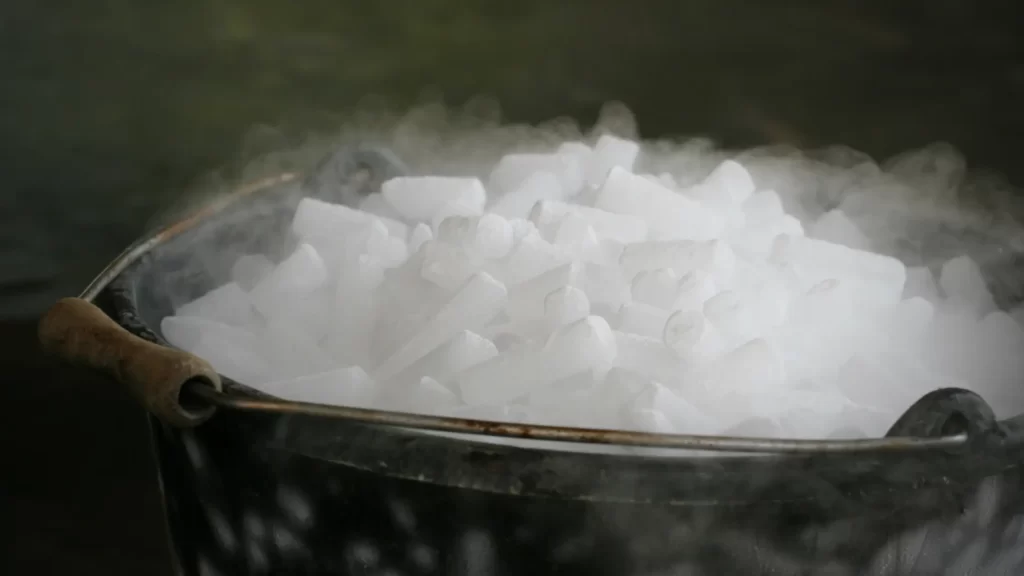
Dry ice has been used for over a century, but its popularity has surged in recent years. While it's commonly known for traditional cooling, its uses go far beyond that. From creating a captivating dining experience in restaurants to adding dramatic effects to events, theater productions, and even classroom experiments, dry ice brings a touch of magic to any setting!
What is it?
Dry ice is the solid form of carbon dioxide (CO₂). With an extremely low temperature of -78.5°C, it transitions directly from a solid to a gas without becoming a liquid, a process known as sublimation. This unique property makes it "dry" ice, as it leaves no residue behind.
Colorless, tasteless, and odourless, dry ice is also bacteriostatic and produced using non-toxic, food-grade CO₂. While it is completely safe and non-toxic, its extremely cold surface requires careful handling—always use gloves to prevent frostbite.
Do czego tego używasz?
Tradycyjnie suchy lód był postrzegany jako mający ograniczone zastosowanie, ale dziś jest szeroko wykorzystywany w różnych branżach. Może być nie tylko ekonomiczną alternatywą dla konwencjonalnych metod chłodzenia, lecz także – przy niewielkich modyfikacjach procesów – może przynieść codzienne oszczędności.
Od przechowywania i transportu produktów wrażliwych na temperaturę, takich jak żywność i artykuły medyczne, po tworzenie hipnotyzujących efektów dymnych, które dodają „wow” na imprezach, w teatrze i rozrywce — suchy lód oferuje nieograniczone możliwości!